Hiring a Builder in Kidderminster: Your Questions Answered
Most homeowners don't hire a builder more than once or twice in their lives — which means the questions stack up fast when the time finally comes. At JCT Building, we hear the same ones repeatedly from homeowners across Kidderminster, Bewdley, and Stourport. Here they are, answered straight.
How do I know if a builder is legitimate?
This is the right question to start with. At a minimum, any builder working on your home should carry public liability insurance and employer's liability insurance. Ask to see the certificates — a genuine contractor hands them over without hesitation. All-risks cover is an additional layer worth checking for, particularly on a structural extension; it protects the works themselves against accidental damage during the build.
Beyond insurance, look for a consistent body of recent work. Google and Checkatrade reviews from the last twelve months carry more weight than a handful of undated testimonials. Active, reputable builders in Kidderminster tend to accumulate visible evidence of their work — photos, addresses, named clients.
Ask about subcontractors too. For specialist trades — electrics, plumbing, gas — a reputable builder will use qualified, registered tradespeople, not whoever's available at short notice.
How many quotes should I get?
Three is the standard recommendation, and it holds up. It gives you a genuine feel for market rates in this part of Worcestershire. Use local builders rather than comparing a Kidderminster quote against one from Birmingham — labour costs, travel time, and supplier relationships all differ.
The cheapest quote is rarely the best value. When one figure comes back significantly below the others, something has usually been left out — groundworks, waste disposal, internal finishes — or the builder is underpricing to secure the job and will add costs once it's underway. An itemised quote, broken down by trade and material, is far more useful than a single lump-sum figure.
What should a quote actually include?
A thorough quote should set out:
- Materials — specified clearly, not just listed as 'bricks and blocks'
- Labour — ideally separated from materials so you can see what each element costs
- Groundworks and foundations — often listed separately, and can vary significantly depending on ground conditions
- Skip hire and waste disposal — easily omitted, but your headache if it's not included
- VAT — stated explicitly as inclusive or exclusive
- A payment schedule — staged payments tied to build milestones, not large sums upfront
At JCT Building, quotes are written to be transparent and explained line by line on request. If anything is unclear before you sign, ask — that's what the quoting stage is for.
How long does a typical extension or renovation take?
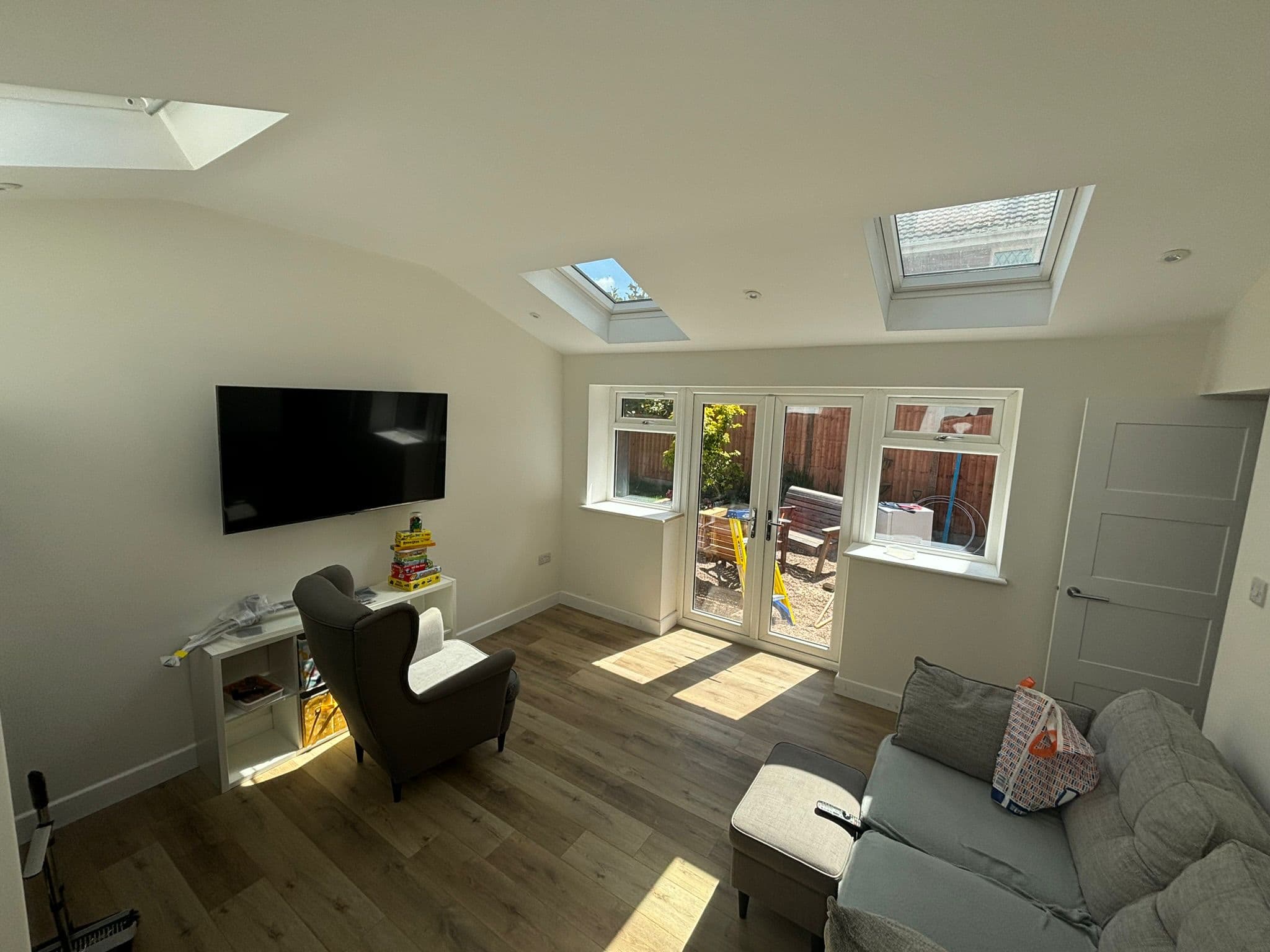
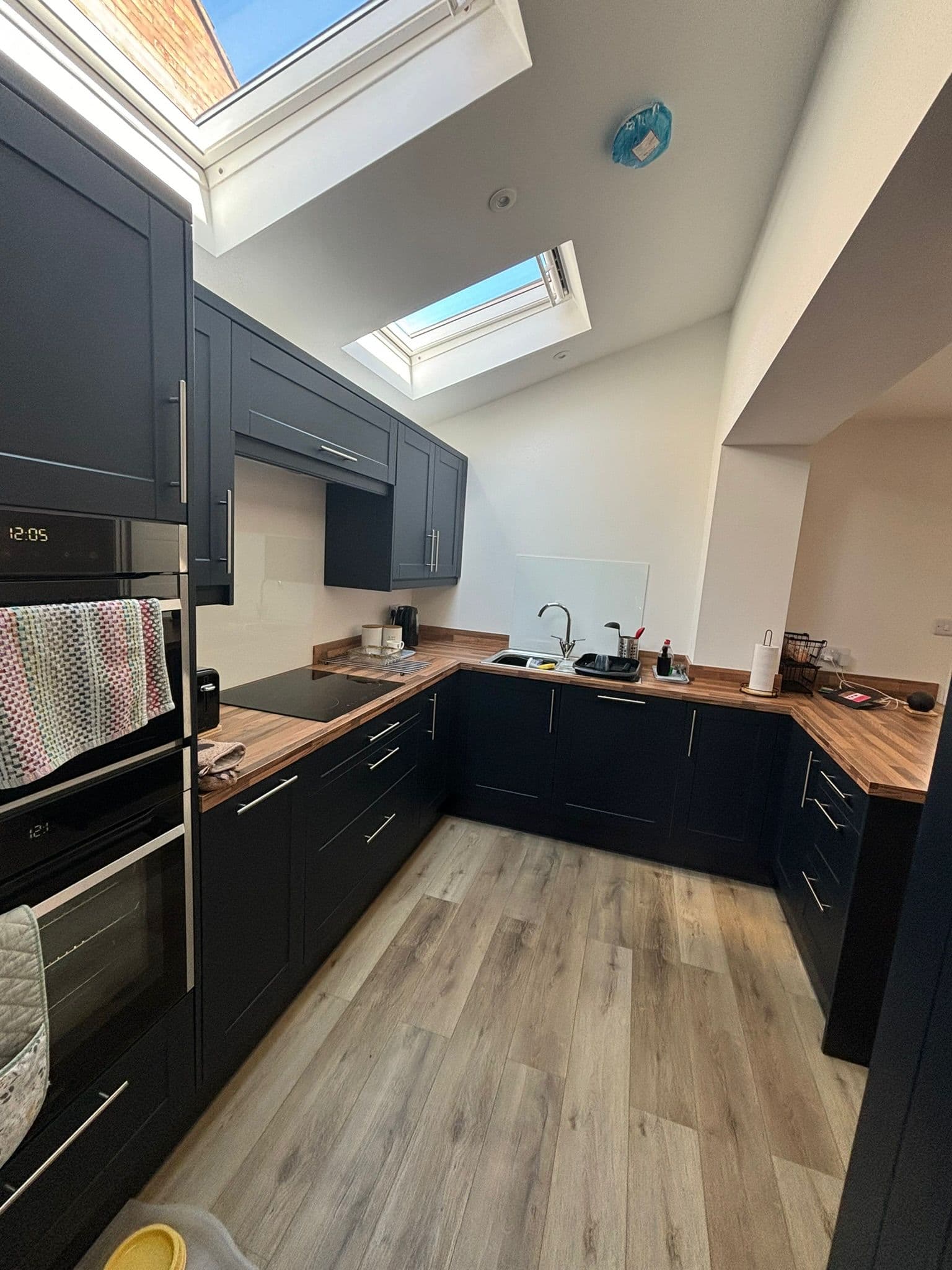
A straightforward single-storey rear extension in Kidderminster typically runs eight to fourteen weeks from groundworks to completion, assuming no significant delays in materials or planning. A two-storey extension can take five to six months.
Renovations are harder to pin down precisely. Victorian and Edwardian terraces — common across Kidderminster's older residential streets — regularly reveal hidden issues once walls come down or floors come up. A good builder flags that risk honestly at the quoting stage rather than glossing over it.
In 2026, lead times on structural steel, windows, and roof materials remain variable. Build some flexibility into your schedule, and treat any contractor quoting an unusually tight deadline with caution.
Do I need planning permission, and is that the builder's job?
It depends on the size, position, and nature of the work. Many rear extensions and loft conversions in Kidderminster fall within permitted development rights — no formal application required — but this needs to be confirmed for your specific property and plot before you assume anything.
Some builders handle planning applications directly; others work alongside an architect or planning consultant. Either approach works, but agree upfront who is responsible for what. JCT Building works with local architects and can advise on the right route for your project before any commitment is made.
Building regulations approval is a separate matter from planning permission and applies to almost all structural building work, including extensions, structural alterations, and many renovation projects. It is not optional. Your builder should be managing this as standard, not as an afterthought.
What's a fair payment structure?
Staged payments are normal on any build of meaningful size. A typical structure for a Kidderminster extension might run: a modest deposit to secure the start date, then payments tied to groundworks complete, walls to plate height, roof on and watertight, first fix, and final completion. The last payment should always be held until you're satisfied.
Be wary of any builder asking for more than 10–15% upfront, or pressing for the bulk of payment before the job is finished. That is not how reputable contractors in this area operate.
How do I avoid problems once the work has started?
Agree a clear point of contact and a realistic update schedule — weekly works well on larger projects. Any change to the original scope should be confirmed in writing before work proceeds, with a revised cost attached. Verbal agreements on building sites are where disputes begin.
Keep a simple log of decisions and dates. If something doesn't look right, raise it immediately — it's far easier to correct mid-build than after the scaffolding has come down.
If you're at the stage of getting quotes for an extension or renovation in Kidderminster or the surrounding area, JCT Building is happy to visit, assess the project properly, and provide a written quote with no obligation. Call 07769 225120 or email jctbuilding123@gmail.com.