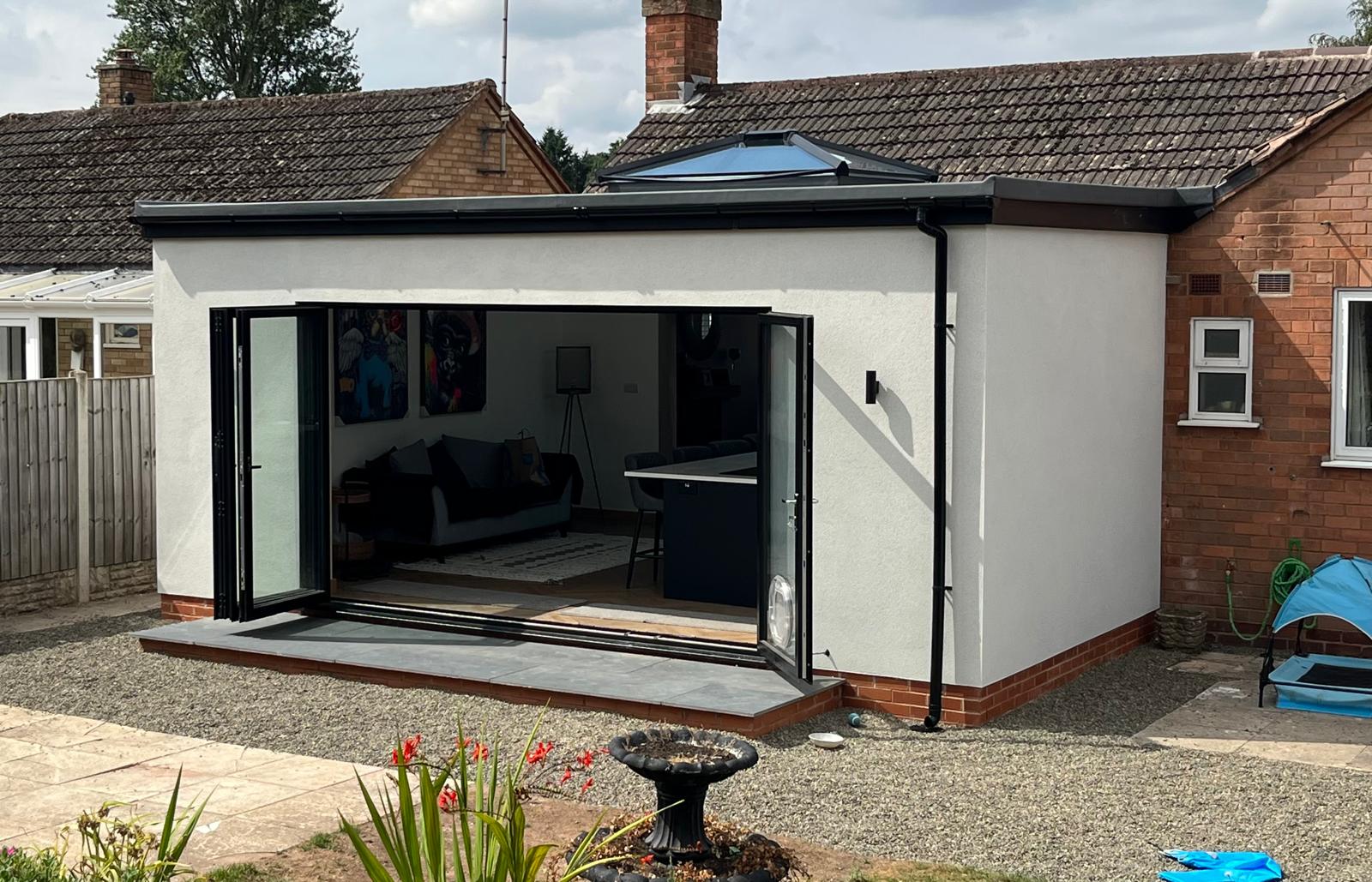
The short answer: many single-storey rear extensions in England fall under Permitted Development rights, meaning formal planning permission is not required. But the rules are full of exceptions — and getting it wrong can cost you tens of thousands. This guide explains what Permitted Development actually covers, when you genuinely need planning permission, and what to expect from the process.
What is Permitted Development?
Permitted Development (PD) rights are a national permission that lets homeowners build certain types of extension without applying for full planning permission. The rules are set by the UK government in the Town and Country Planning (General Permitted Development) Order 2015 and apply across England, with some local variations. The full official guidance is published on the Planning Portal — see https://www.planningportal.co.uk/permission/common-projects/extensions.
If your extension meets all the PD rules, you can build it without planning approval — though you may still need a Lawful Development Certificate to prove your build was lawful, which is highly recommended.
When you DON'T need planning permission
You can typically build under Permitted Development if all the following apply:
- Single-storey rear extension extending no more than 4m beyond the original rear wall (detached) or 3m (semi/terrace)
- No higher than 4m at the ridge
- Eaves no higher than 3m within 2m of a boundary
- Side extensions no wider than half the original house width
- Materials match the existing property
- Total extended area does not exceed 50% of the land around the original house
- Property is not in a conservation area, AONB, or listed
When you DO need full planning permission
Planning permission is typically required for:
- Two-storey or larger extensions
- Front extensions (almost always need planning)
- Extensions on listed buildings (also needs Listed Building Consent)
- Properties in conservation areas, National Parks, or AONBs
- Extensions exceeding PD size limits
- Properties where PD rights have been removed (Article 4 directions)
- Builds that affect neighbour rights to light or privacy
The Larger Home Extension scheme
A separate scheme called the Larger Home Extension allows extensions up to 8m for detached houses (6m for semis/terraces) without full planning — but you must give your local authority 42 days notice and they may consult neighbours. We have used this scheme successfully on Stourport and Bewdley projects.
The planning process — what to expect
If you do need planning permission, here is what the process looks like in Worcestershire:
- 1.Architect produces drawings (typically 4–8 weeks, £1,500–£5,000)
- 2.Application submitted online to your local authority (Wyre Forest, Bromsgrove, Worcester, Wychavon, Malvern Hills, or Dudley depending on location)
- 3.Council validates the application (1–2 weeks)
- 4.Public consultation period (21 days where neighbours can comment)
- 5.Decision (typically 8 weeks for householder applications)
- 6.If approved: you have 3 years to begin work
What if planning is refused?
Refusals are uncommon for sensibly designed extensions, but they happen. If your application is refused, you have the right to appeal to the Planning Inspectorate. In practice, it is usually faster to revise the design based on the council's feedback and resubmit. We have helped clients on several projects successfully resubmit after initial refusal.
Not sure if you need planning permission?
We do a free site visit and can advise on whether your project falls under Permitted Development or needs full planning. We work regularly with all local councils across Worcestershire and the West Midlands.